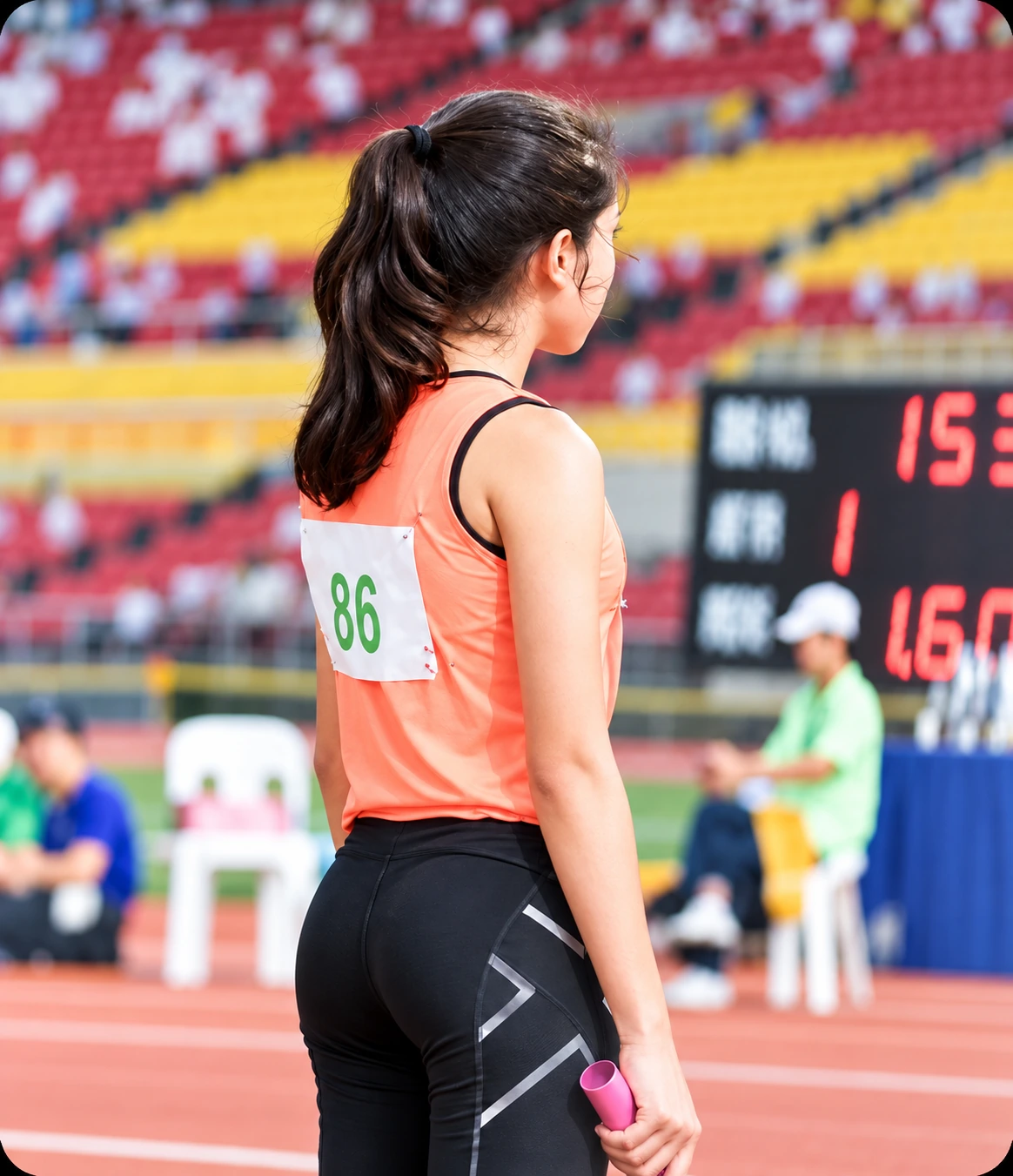


Autonomic Recovery
Structured auditory stimulation designed to support the transition from heightened activation toward a more regulated physiological state following training, competition or periods of stress.
Solutions
Standard recovery tools address the physical demands of training but often overlook the role of the nervous system in recovery, readiness and performance. YouMind® uses AI based assessment and personalized neuroacoustic protocols to support nervous system regulation, recovery, focus and performance across the training cycle.

Supporting the Nervous System Across the Training Cycle
Structured auditory stimulation designed to support the transition from heightened activation toward a more regulated physiological state following training, competition or periods of stress.

Personalized sessions designed to support focus, alertness and cognitive readiness before demanding physical or mental performance.

Neuroacoustic sessions designed to support relaxation and recovery following intense physical or psychological demand.

The standard YouMind® assessment is voice based and does not require wearable sensors or specialized biometric hardware. Additional physiological data can be incorporated when available.
The athlete’s state is not always visible. Athletes are often trained to perform through fatigue, discomfort and pressure. A conventional check-in captures what an athlete reports. YouMind® adds another layer by analyzing the individual’s voice through semantic and acoustic characteristics.
The objective is not to replace coaching or clinical judgment. It is to provide additional information about the individual’s current functional state and create a more personalized approach to support.
The YouMind® voice based assessment examines areas including sleep, cognition, emotional regulation, physical energy and intention. The resulting Neurofunctional Profile can help identify patterns that may be relevant to recovery, readiness and performance.
 Sleep
Sleep
 Cognition
 Emotional Regulation
 Physical Energy
 Intention
One athlete. One profile. One personalized approach.
YouMind® does not simply provide the same recovery audio to every athlete.
The individual’s Neurofunctional Profile informs the selection and structure of personalized neuroacoustic sessions.
These sessions use structured auditory stimulation, including isochronic tones, designed around the state being supported.
The approach can be adapted as the athlete’s baseline and needs change over time.
Supporting the Transition from Performance to Recovery
 The Recovery Transition
 Following intense physical exertion, athletes need to transition from a state of high activation toward recovery.
 The YouMind Application
 YouMind® uses structured neuroacoustic sessions designed to support this transition and provide a dedicated period for relaxation and physiological downregulation. The objective is to support the conditions associated with recovery rather than replace established recovery practices.
Read the CNS Readiness & Recovery Dossier
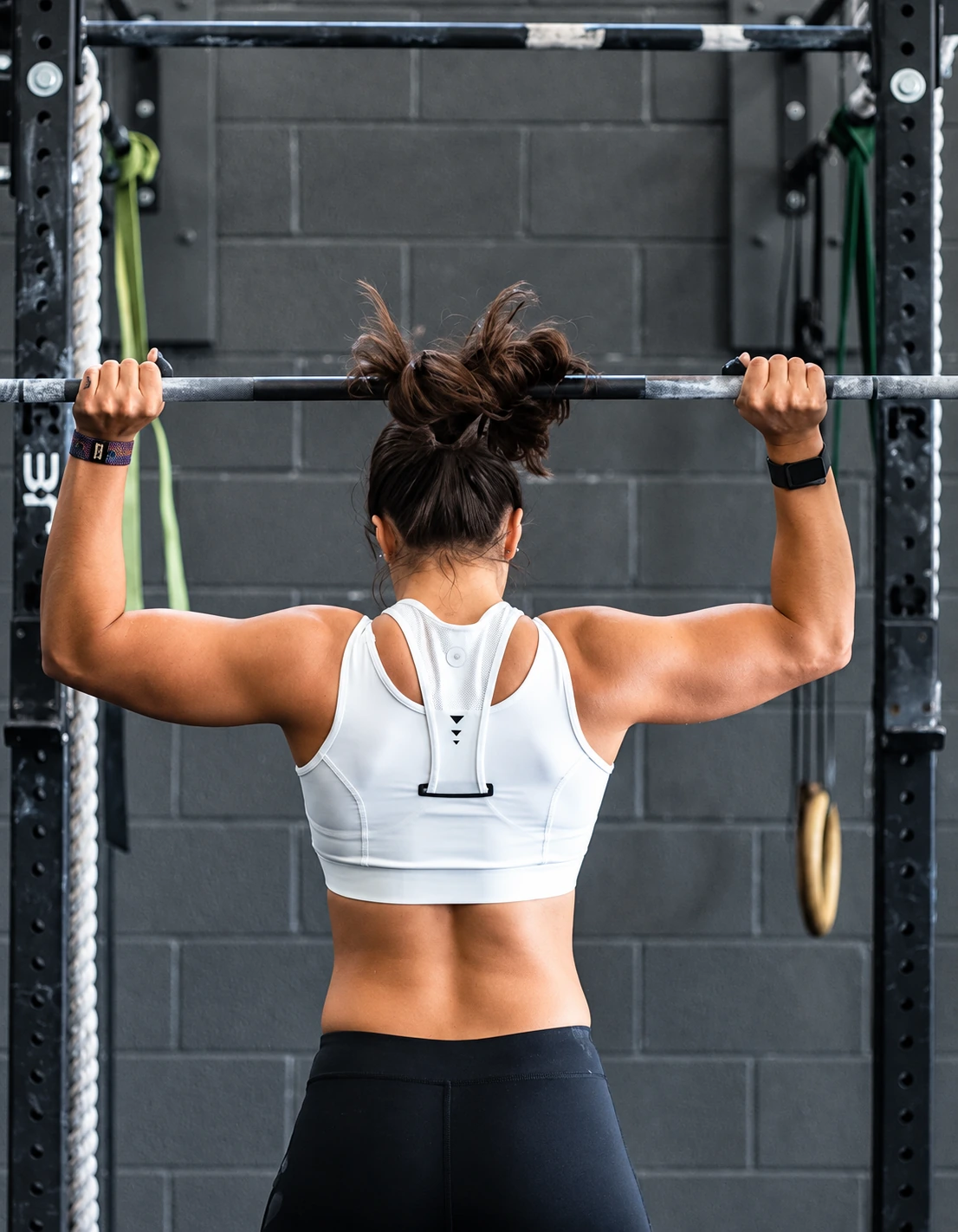

Sleep is a central component of athletic recovery.
YouMind® uses structured low frequency auditory stimulation as part of selected recovery protocols designed to support relaxation and sleep related states.
These sessions can form part of a broader recovery strategy alongside established practices such as sleep hygiene, nutrition, physical recovery and appropriate training load management.

Designed to support slow wave sleep related states and relaxation.
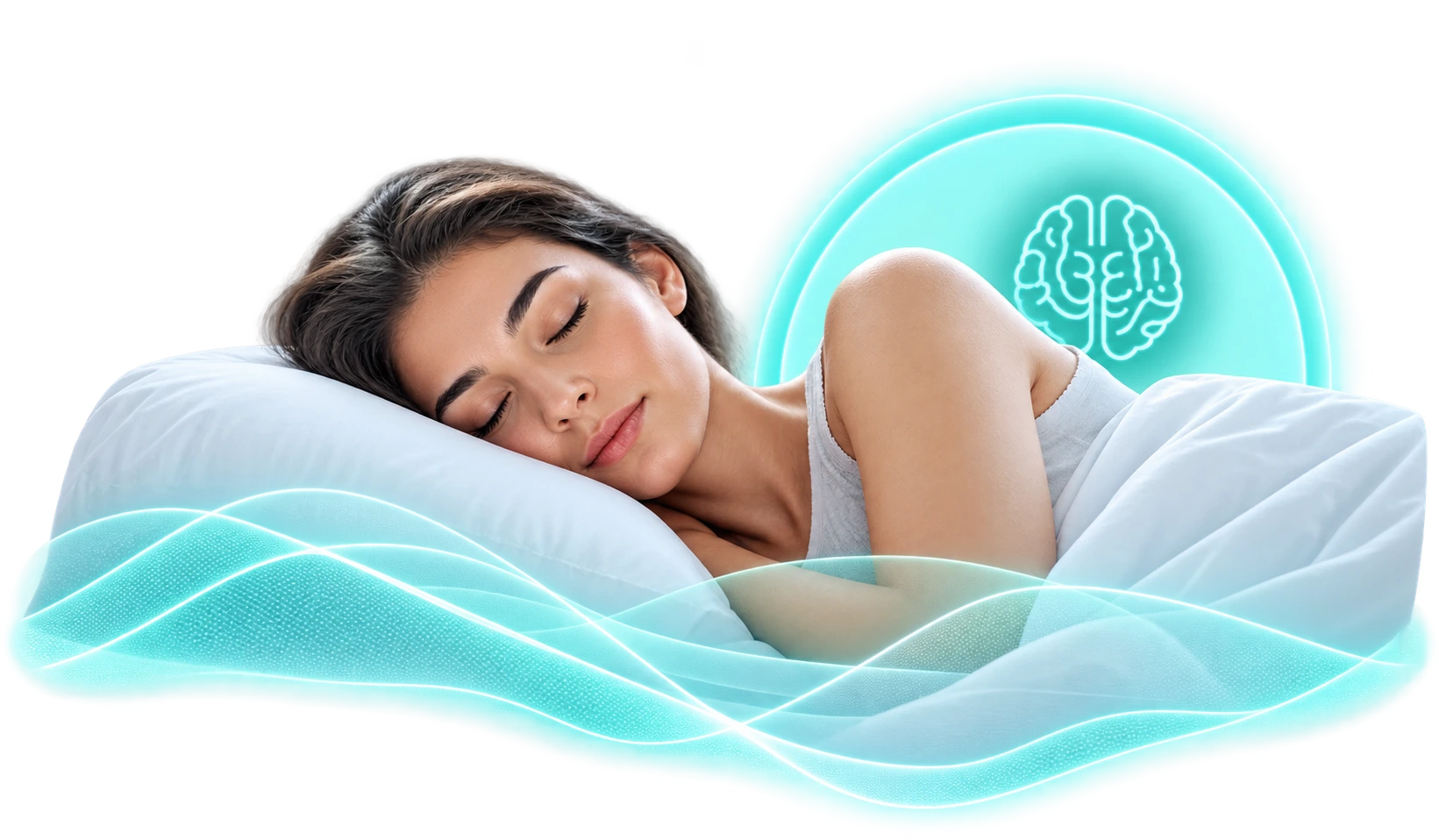

Supports the transition from heightened activation toward a more settled state.
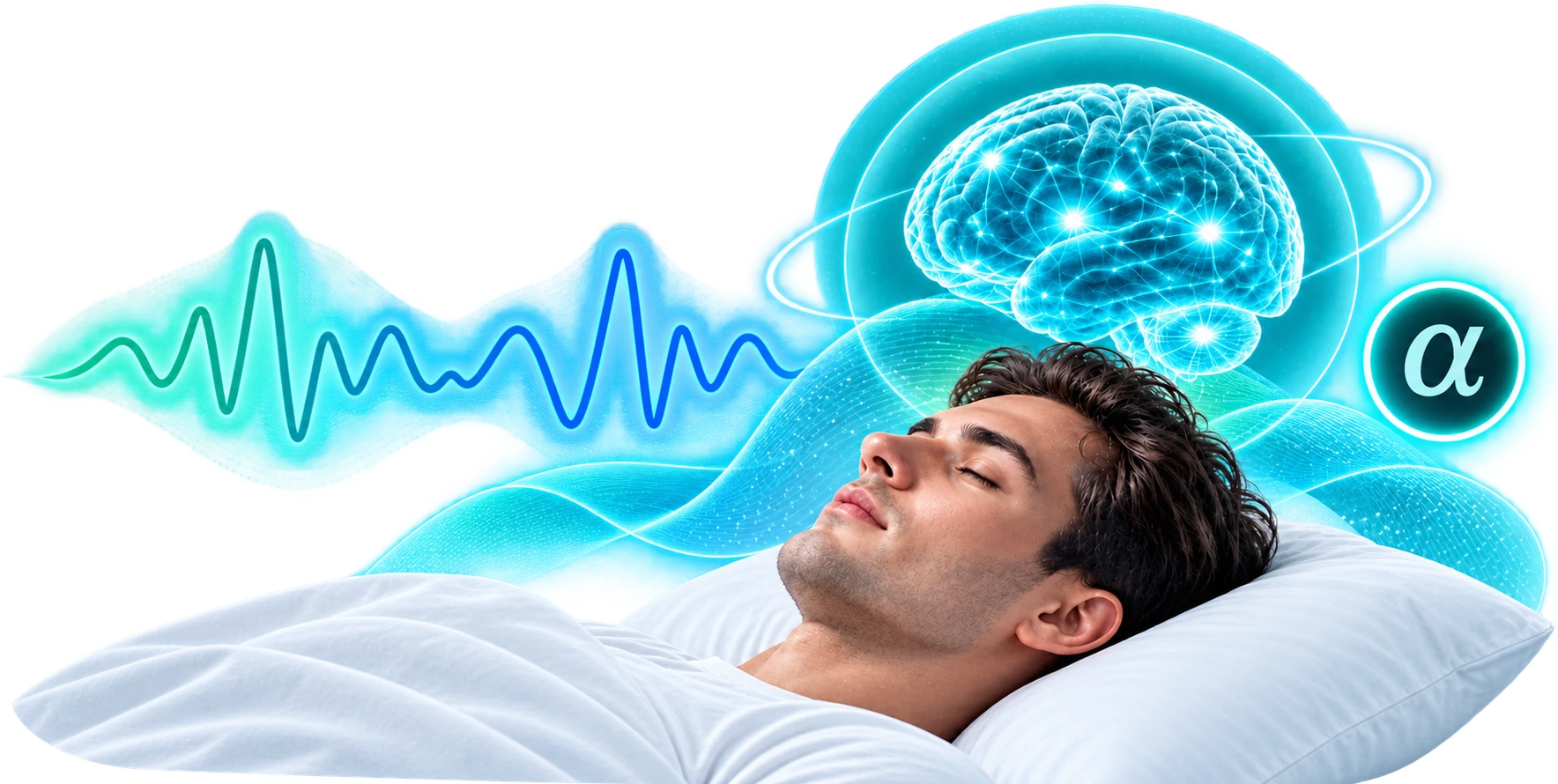

Designed to provide an auditory environment that may complement established recovery practices.
YouMind® can be deployed across individual athletes, teams and performance environments.
At the individual level, athletes receive personalized assessment and support.
At the team level, aggregated and anonymized information can provide broader insight into patterns related to recovery, readiness and wellbeing.
Individual information remains separate from organizational reporting where the deployment model requires privacy preserving cohort level reporting.
YouMind® uses AI-based assessment and personalized neuroacoustic sessions designed to support nervous system regulation, relaxation, recovery and readiness.
Following intense training or competition, selected sessions can provide a structured period of auditory stimulation intended to support the transition from heightened activation toward a more regulated state.
YouMind® is designed to complement, not replace, established recovery practices.
Generic recovery audio provides the same content to many users.
YouMind® begins with an individual assessment and creates a Neurofunctional Profile that can inform a personalized neuroacoustic approach.
The sessions use structured auditory stimulation, including isochronic tones, rather than simply providing music or generic relaxation content.
Isochronic tones are rhythmic auditory stimuli created through regularly repeating changes in sound amplitude.
YouMind® uses structured isochronic stimulation as part of its neuroacoustic protocols.
The specific acoustic parameters and session structure can be selected according to the state being supported and the individual’s profile.
The YouMind® assessment uses a voice-based AI interaction.
It analyzes the individual’s responses together with semantic and acoustic characteristics of the voice to generate a Neurofunctional Profile.
This provides additional information about functional state without requiring wearable sensors or specialized biometric hardware for the standard assessment.
Yes. Where additional physiological or neurodiagnostic data are available, they can complement the Neurofunctional Profile.
Depending on the deployment, this may include HRV, sleep metrics, qEEG results, cognitive assessments or other relevant physiological data. Wearables are not required for standard YouMind® use.
Yes. Specific personalized sessions can be used before demanding physical or cognitive activity when the objective is to support focus, alertness or cognitive readiness. The appropriate session depends on the individual’s profile and the state being supported.
Yes. Selected sessions can be used following intense physical or psychological demand to provide a dedicated period of relaxation and nervous system downregulation. The intention is to support recovery rather than replace established physical recovery protocols.
Yes. An athlete’s functional state and recovery needs can change over time. Periodic reassessment can provide updated information and allow the personalized approach to be adjusted as the individual’s baseline and requirements evolve.
No. YouMind® is designed to complement the existing performance and healthcare ecosystem.
Coaches, sports scientists, medical professionals and performance teams remain responsible for interpretation and decision making. YouMind® provides an additional layer of individualized information and support.
No. The standard YouMind® assessment is voice-based and does not require wearable sensors or specialized hardware. Personalized neuroacoustic sessions can be delivered through standard devices, typically using headphones or earphones.
Yes.
The platform can be deployed for individual athletes as well as larger teams or performance groups.
Individual profiles can support personalized use, while aggregated and anonymized information can provide broader insight into recovery, readiness and wellbeing across a defined population.
The deployment model can be structured to protect individual privacy.
Where organizational reporting is used, aggregated and anonymized information can provide team-level insight without exposing individual results to management.
The exact information available to coaches, medical teams or administrators depends on the deployment and governance model.
No. YouMind® is not intended to independently diagnose medical or psychiatric conditions.
The Neurofunctional Profile provides additional information that can be considered alongside existing professional assessments and clinical or performance expertise. Clinical and performance decisions remain with the appropriate professionals.
Individual responses vary. Some people may notice a subjective change during or shortly after a session, while others may respond more gradually with repeated use.
YouMind® does not assume that every athlete will respond in the same way. The purpose of repeated use and reassessment is to understand the individual’s response and adapt the approach where appropriate.
Yes.
YouMind® is designed to complement established recovery practices including sleep, nutrition, physical recovery, mobility work, coaching, psychological support and appropriate training load management.
It is an additional tool rather than a replacement for the athlete’s existing performance and recovery ecosystem.
The objective is to make recovery and performance support more individualized. Instead of applying the same intervention to every athlete, YouMind® uses individual assessment to identify areas that may benefit from support and then creates a personalized neuroacoustic approach around the athlete.
Assess. Understand.
Personalize. Support.
Protect your athletes from central nervous system fatigue and support their physiological rebound.